

Beyond the Classroom:
How Executives Learn Best
June 24, 2026 | 6 min read | How Leaders Learn
Share



Cristian Ispir, PhD
Learning Solution Designer - Executive Education
London Business School
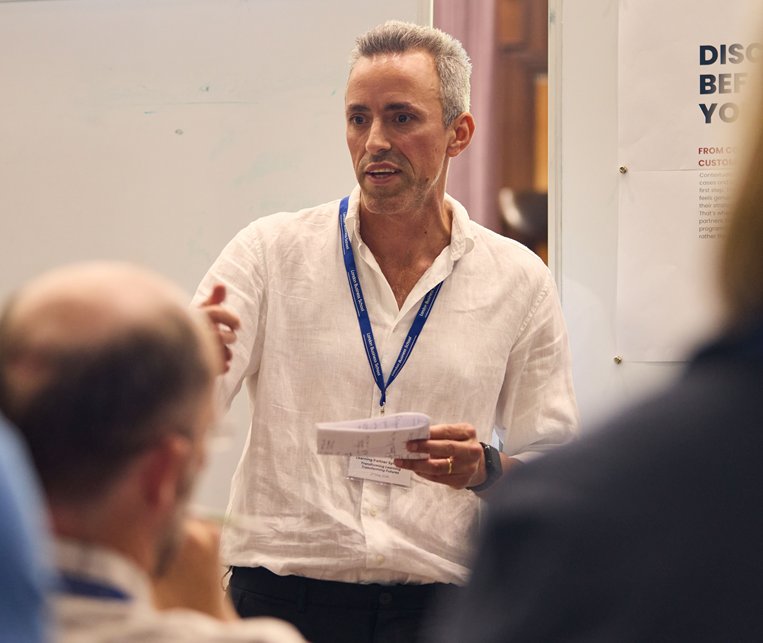
From company safaris and wicked problems to peer insights and embodied experiences, the moments that truly change leaders are rarely found in a PowerPoint deck.
After designing and delivering custom executive programmes for leaders across automotive, finance, aerospace, pharmaceuticals and beyond, I've come to a firm conclusion: the most powerful learning rarely happens in a classroom. That's not a criticism of faculty or content. It's an observation about how senior leaders actually learn.
Key Takeaways
Senior leaders learn best through experience, not presentations.
Real-world challenges and "wicked problems" build judgment in ways case studies cannot.
Cross-industry exposure and peer learning spark fresh perspectives and new ideas.
Small experiments often lead to meaningful and lasting transformation.
When I think about the moments that have most consistently landed with senior executives, three stand out.
First, immersive experiences anchored directly in the client's own business context. Not abstract scenarios, but situations that feel genuinely live and consequential.
Second, wicked problems: challenges where there is no clean answer, only trade-offs. Learning to hold ambiguity, to manage competing tensions in complex systems, is something no case study can fully teach.
Third, complex systems-type groupwork, embodied, experiential activities like ‘coaching constellations’ where leaders physically map the system they inhabit, placing colleagues, stakeholders and forces in the room around them and seeing, viscerally, where the tensions and opportunities lie.
“Senior leaders don't need more information. They need experiences that challenge assumptions, sharpen judgement and reveal new perspectives. In my experience, that's where the most meaningful learning begins.”
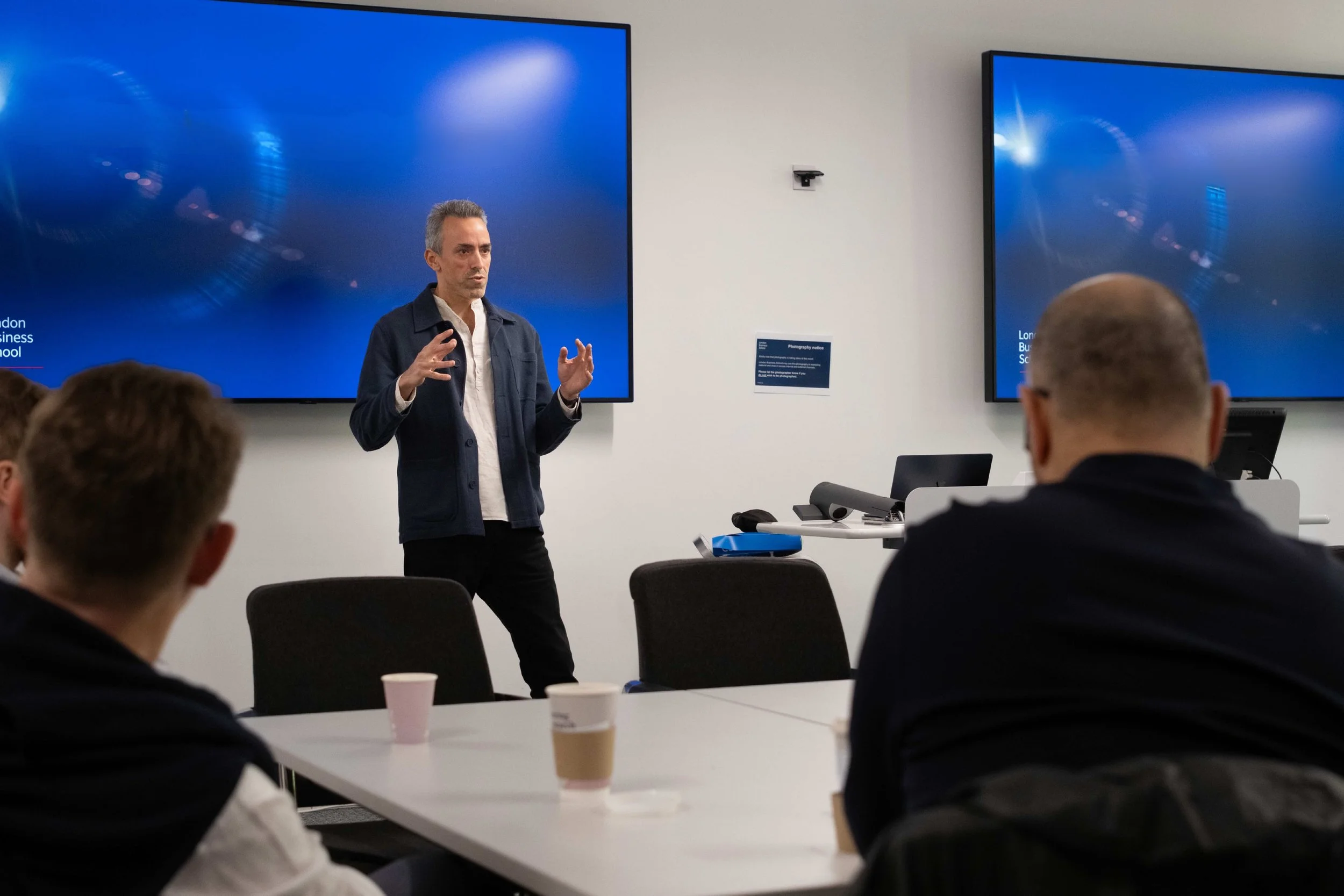
These are embodied, visceral experiences. And at the level of seniority we're talking about, that matters enormously. Sitting through another PowerPoint deck does very little. Being inside something - feeling the weight of a decision, the pull of competing loyalties, the shape of a system you normally only look at on a spreadsheet, does a great deal.
I've run what I think of as "company safaris”, namely structured visits where executive cohorts explore a focused topic inside another organisation, from the inside out. The ones that resonate most deeply are those where participants don't just hear a senior executive speak. They get their hands dirty. They understand how things are done, not just that they are done.
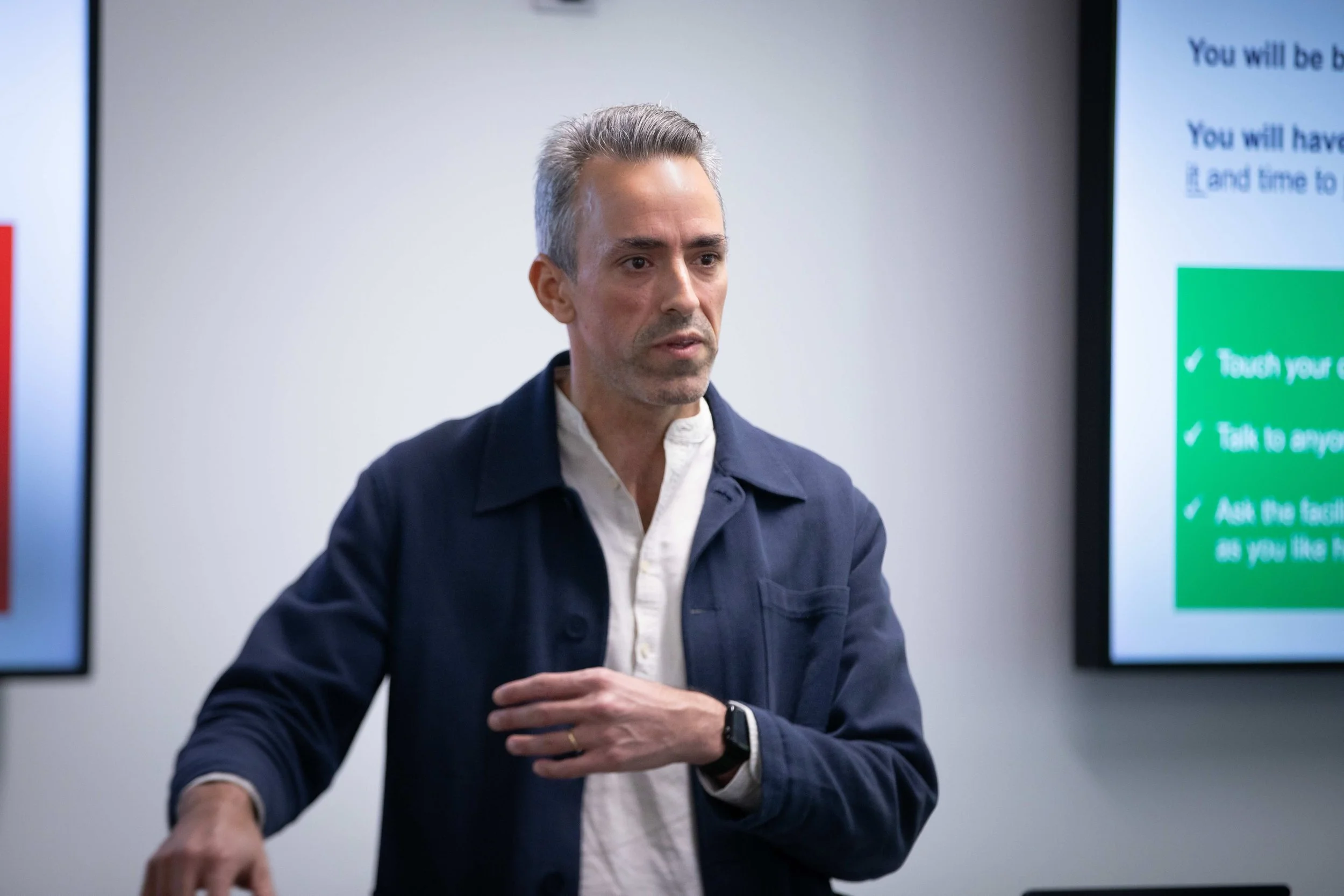
There's something that happens in the room when a peer leader speaks candidly, which is almost a different quality of attention. It's not just credibility. It's the "I've been there, I've done it and it worked" quality that no faculty member, however expert, can fully replicate. The stories, the anecdotes, the hard-won lessons: these travel in a way that frameworks and models don't.
Cross-industry exposure adds a further dimension. Many organisations claim to be innovative. But occasionally, participants encounter one where innovation and design thinking aren't words on a values poster, they are genuinely the way the place operates. Those moments produce something close to wonder in a group of seasoned executives. And it's in that wonder that real learning opens up.
In my experience, the industries that most consistently inspire leaders are sports, military and aerospace. Not because executives want to become military commanders or elite athletes, but because these worlds offer something rare and clarifying: leadership where the stakes are real and readily measurable, where there is genuine skin in the game and serious consequences for failure. Encountering that puts impact and excellence in sharp perspective. It challenges leaders to ask, quietly but uncomfortably, what their standard of excellence actually is, and whether it is high enough.
The deepest shift I've seen executives make is surprisingly simple: the recognition that taking an outsider's perspective is itself a leadership skill. Cultivating a beginner's mindset, approaching familiar challenges with curiosity rather than habit, experimenting rather than defaulting, generates momentum and creates value. It sounds obvious. It rarely is, until someone from a completely different world has shown you your own problem from an angle you'd never considered.
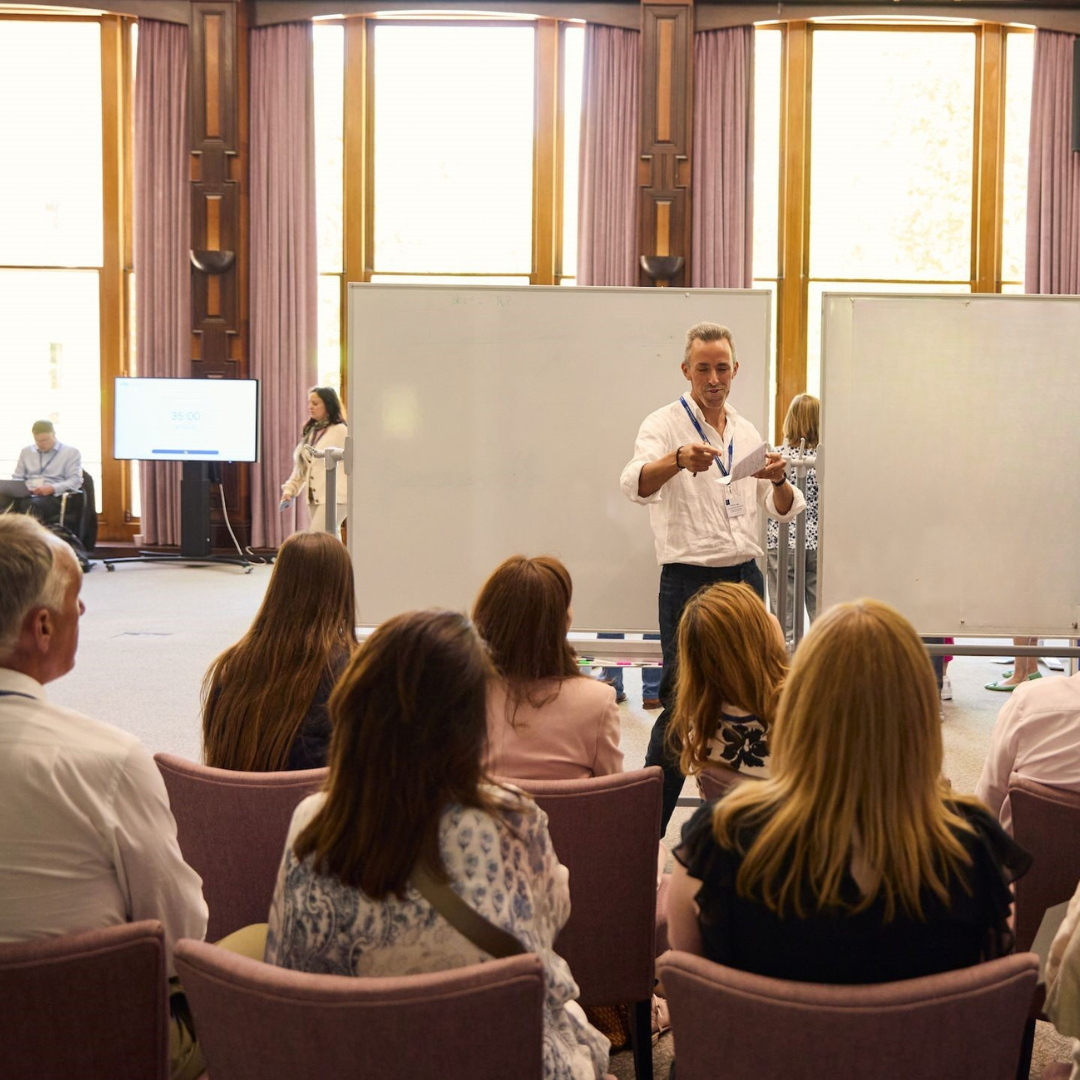
And that, for me, is the mark of lasting impact. Leaders go back and cascade what they've learned. They begin to run experiments, be it in their own behaviour, in their teams, or in their organisations. Small experiments that, over time, compound into genuine transformation.