
Shifting Perceptions of China as a Business Tourism Destination

A few decades ago, China was widely expected to overtake the US as the world’s largest economy, and business travel surged as global leaders sought to learn from its rapid rise. When signs of slowdown appeared, optimism flipped into predictions of collapse. Today, the narrative is more balanced, but geopolitical tensions continue to shape how companies view China as a destination for investment and business immersion. After completing our latest immersion in the country, we share insights on how the current geoeconomic climate is redefining business travel.
Who Is the Next China?
Debates about China’s slowdown matter far less than the practical question businesspeople ask: if not China, then which market will take its place? Increasingly, experts argue that “China is the next China”. Despite decelerating growth, no other economy matches its scale or potential. Even at ~5% growth, China adds economic output equivalent to the combined GDP of Thailand and Vietnam. Fast-growing markets like Vietnam, Saudi Arabia, and India simply cannot replicate China’s magnitude.
The New China
China is not being replaced, it is transforming. The era of easy gains from cheap labor and real estate expansion, that fuelled China’s speedy growth, is over. The government is now prioritizing “high-quality development” and indigenous innovation, especially in strategic industries.
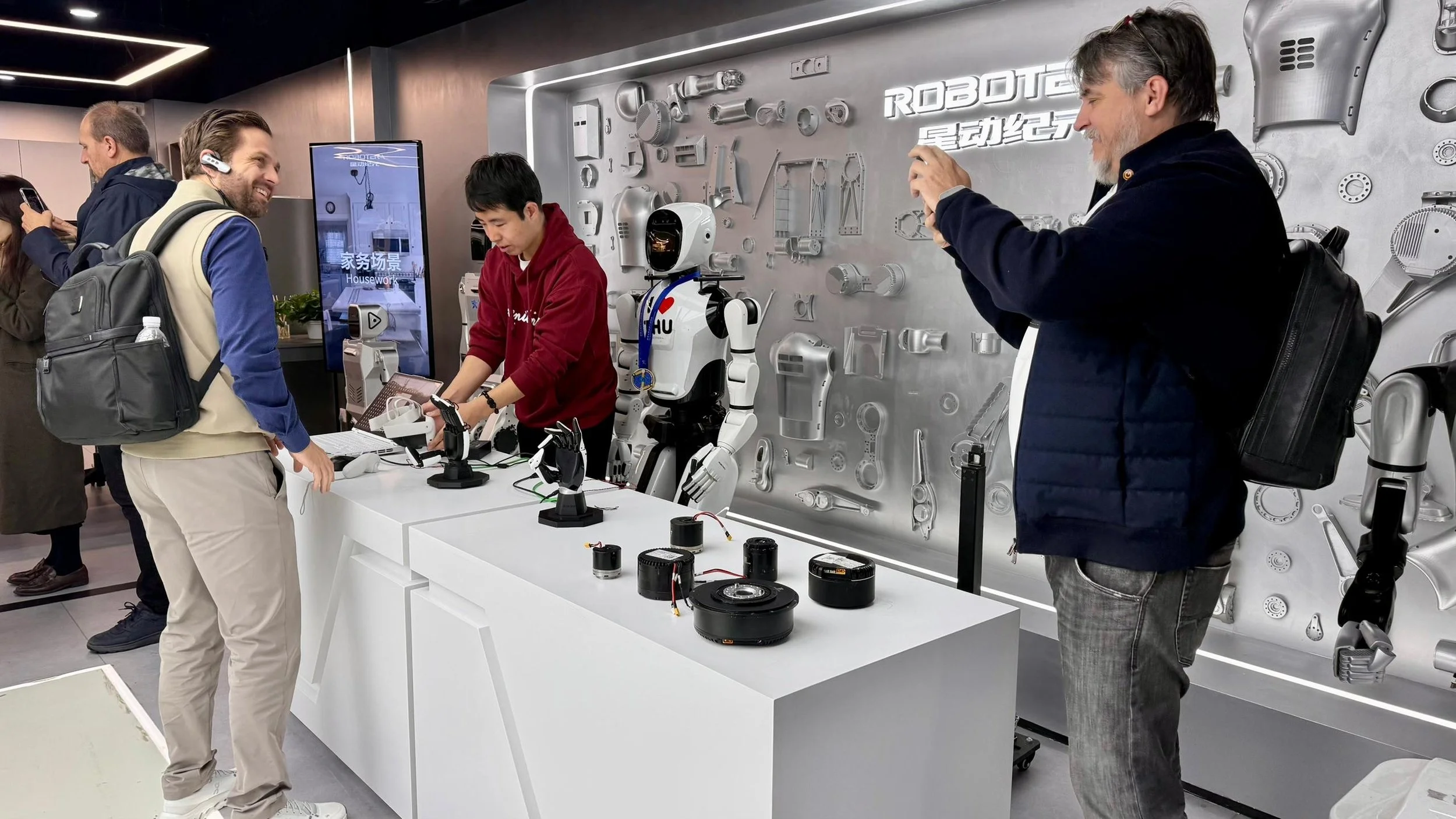
Once dismissed as a copycat, China is now leading in electric vehicles, autonomous vehicles, pharmaceuticals, solar technology and open-source AI. Its combination of talent, manufacturing depth, scale, and agile regulation has propelled advancements that others struggle to replicate. The world is no longer watching China catch up, it is watching China set the pace and reshaping those industries.
Geopolitical Tensions and The Art of Picking Teams
However, growth and innovation alone are no longer enough to attract foreign investment. The tug-of-war between Washington and Beijing forces businesses to navigate fast-shifting regulations, tariffs, export controls and “friendshoring” mandates. Neutrality is shrinking, and picking sides is increasingly unavoidable.
Historically, Europe had aligned naturally with the US. But shifts in American policy are narrowing the moral and strategic contrast with China. In this context, many leaders prefer dealing with a “known evil”, where risks are clearer and more manageable, rather than adapting constantly to new political weather.
Europe still views China as a “strategic rival” and will not abandon its Atlantic ties. But the scales have tilted; with the US’ unpredictability and tariffs restricting market access, both Europe and China are exploring each other as alternative export destinations.
China’s Charm Offensive Toward Foreign Businesses
China is now seen by many analysts as more open to foreign investment than at any point in the past two decades. Its coordinated “Charm Offensive” includes unprecedented incentives from local governments; free land, tax breaks and KPIs tied to attracting foreign direct investment.
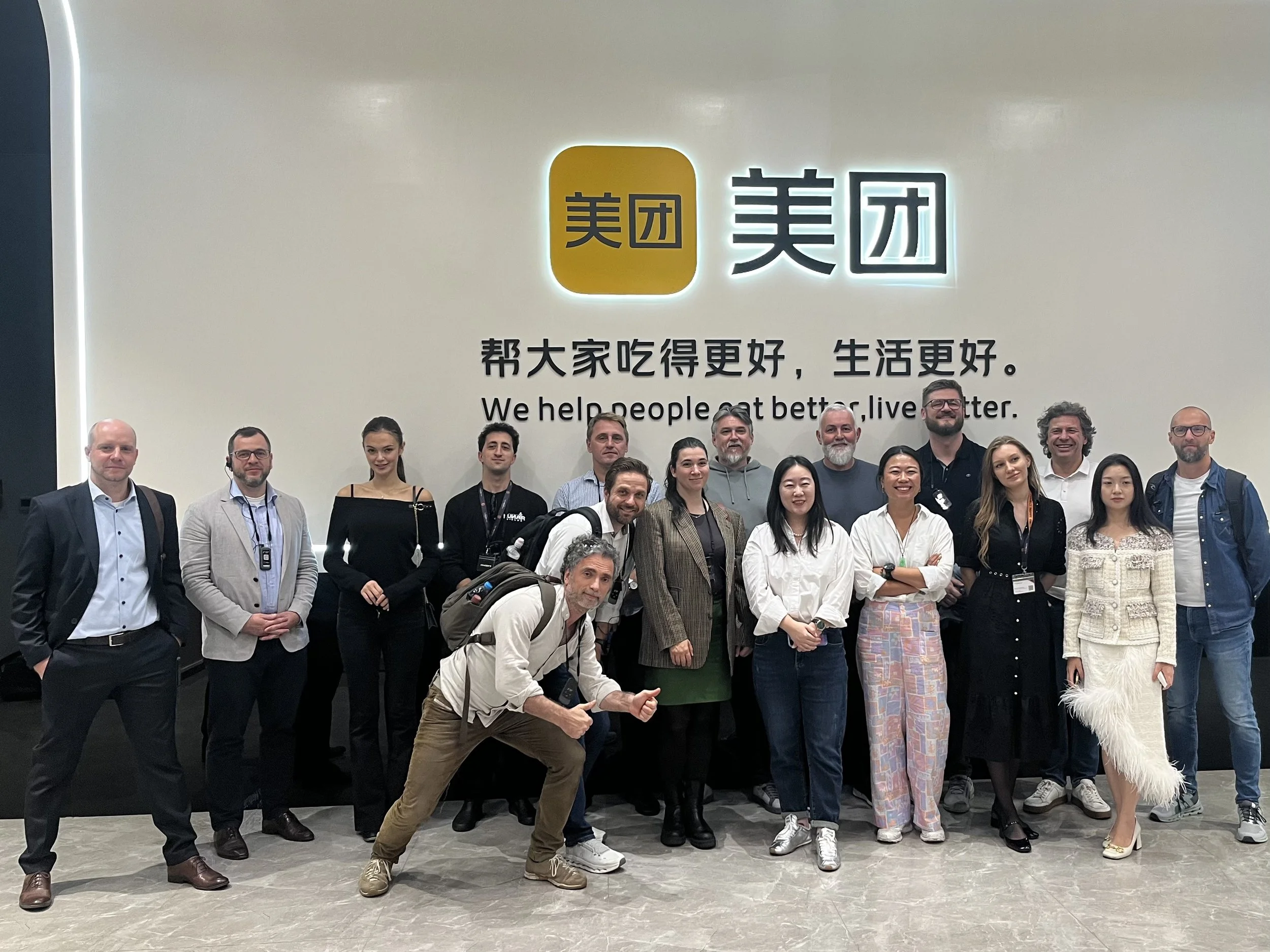
At the same time, Chinese tech giants, pressured by US tariffs and strict EU rules, are urging European manufacturers and merchants to join their platforms with subsidized costs and free onboarding. We witnessed this aggressive pitch firsthand. Yet despite their willingness to invest, Chinese firms often misread European expectations: open-ended promises and “risk-free” offers tend to raise concerns rather than confidence.
While China is making real efforts to re-engage the world, rebuilding trust will take time. Its history of quick trade retaliation against smaller countries, such as Lithuania or the Philippines, continues to make global players cautious about long-term partnerships.
“Reverse Copycat” and Learning From China
China’s shift from imitator to innovator has sparked what experts call “reverse shanzhai” or “reverse copycat”. Western firms now copy Chinese solutions that were once dismissed, especially integrated digital ecosystems. Super-apps like WeChat and Alipay inspired Meta and X’s attempts at multifunctional platforms. Livestream shopping and bike sharing also originated in China. The country’s enormous consumer base forces its companies to solve problems at a scale the West has not yet encountered, making many Chinese solutions aspirational blueprints.
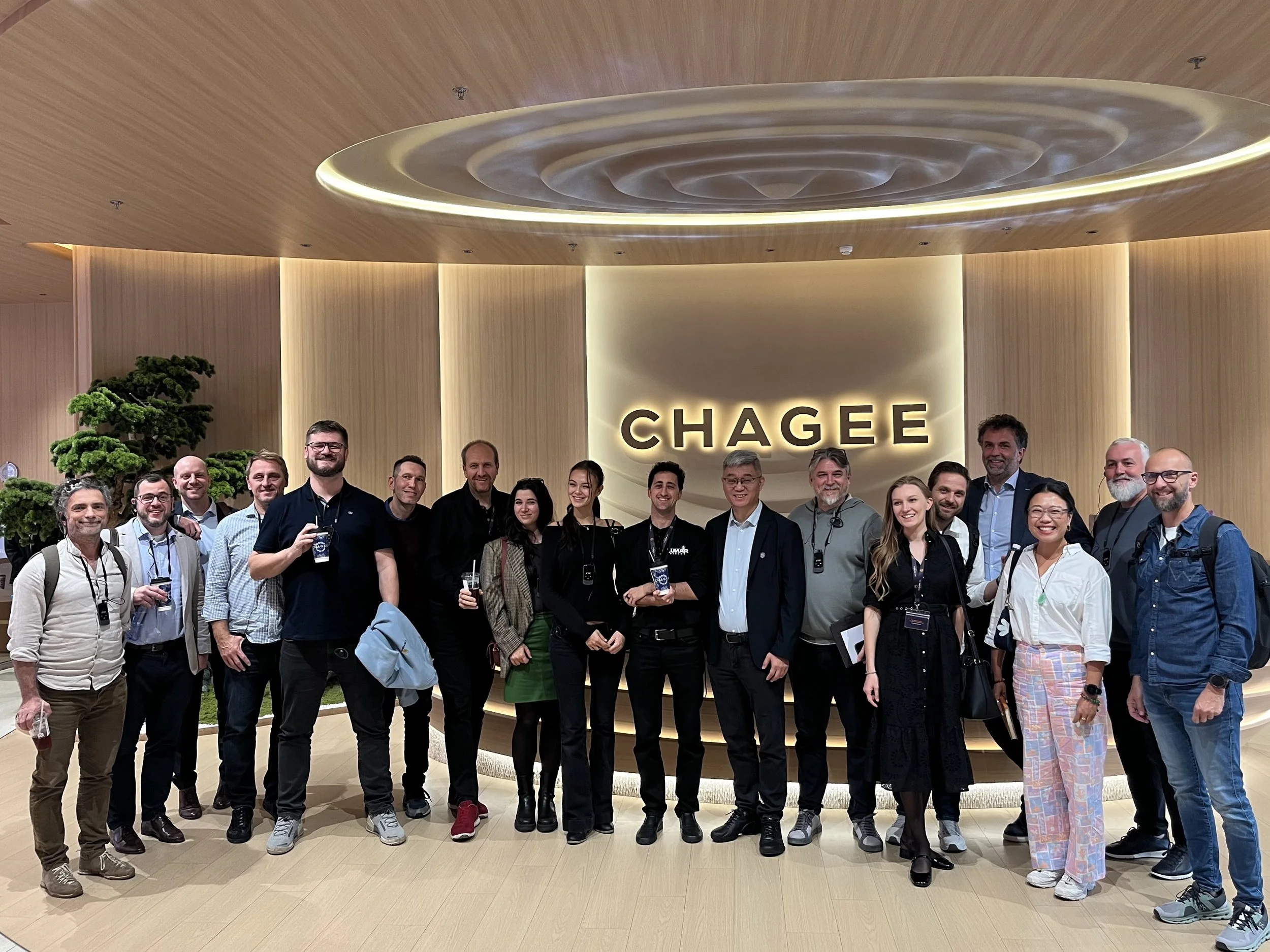
Business immersions in China offer an unmatched opportunity to observe these innovations firsthand. One clear insight: convenience is the ultimate currency. Rapid company growth consumes people’s time, so all other aspects of life must be frictionless. As global expectations shift, European consumers will soon demand a similarly “integrated life”. Companies that adapt early will set the standard in the West.
Conclusion
Security concerns around travel to China are valid, especially for nationals of countries with strained relations. Coming from Lithuania, a country openly criticized by Beijing, I was cautious myself. Yet the widely perceived anti-foreigner sentiment has not been our experience.
What we encountered was the New China: innovative, tech-integrated and eager to attract foreign businesses. While Chinese proposals with vague boundaries should be approached carefully, the value of observing the market firsthand is undeniable. China is not just producing cheap goods anymore; it is redefining global standards.
Travel to China to observe, learn and take inspiration. Borrow its models and elevate them with European standards of transparency and trust.

Gabrielė Eidėjūtė-Strong
Senior Program Manager at The Global Exec.
Email: strong@theglobalexec.com
Gabrielė designs and leads bespoke business immersions and recently headed our Open-Enrollment immersion in China. With degrees in Sinology, Geopolitics, and East Asian Studies from Charles University (Prague) and National Taiwan University (Taipei), she brings deep academic and on-the-ground insight into East Asian geopolitics.