

What You Can't Get From a Slide Deck
August 13, 2026 | 5 min read | How Leaders Learn
Share



Jason Hau
Director, Strategic & Corporate Partnerships
Human Capital Leadership Institute (HCLI)
Why the most valuable leadership insights don't come from presentations or case studies, but from confronting the future firsthand.
Most senior leaders don't suffer from a lack of information. They are surrounded by reports, expert briefings, research papers and strategic analyses. The challenge is rarely knowing what's happening; it's understanding what those developments actually mean for their organisation, their industry and their own assumptions. That kind of learning rarely happens in a conference room. It happens when leaders step outside familiar contexts and experience innovation firsthand.
Key Takeaways
Firsthand experiences challenge assumptions
Cross-industry exposure brings fresh perspectives
Peer discussions deepen learning
Great learning leads to better questions
Seeing innovation in action makes emerging trends more tangible
Whether it's walking through a fully automated factory, sitting across from executives who are already operating at the frontier of AI adoption, or debating implications with peers from entirely different sectors, the most powerful learning moments often come from encountering realities that challenge what we thought we knew. Those experiences don't just provide answers, they generate better questions.
I'll be honest. When someone first told me we were visiting Xiaomi's EV factory in Beijing, I pictured a very impressive car showroom, maybe a slick product demo, the kind of thing you'd see at a trade expo. What I was not prepared for was walking onto a 72-hectare factory floor that looked like the set of a Will Smith movie. Not the fun Wall-E kind. The one where the robots have decided they know better than you.
Except these robots weren't threatening. They were just... working. Relentlessly, precisely, without complaint or a coffee break. Robot arms fixing car doors in four seconds. Robots ferrying parts between assembly lines. And then the detail that really stopped the group cold: robots whose entire job is to maintain the other robots. At that point someone in our group quietly said "so where exactly do we fit in this picture?" It got a laugh. But it wasn't entirely a joke.
That moment, that specific, slightly unsettling pause, is something no classroom session produces. And I say that as someone who has sat through more than a few very good classroom sessions.
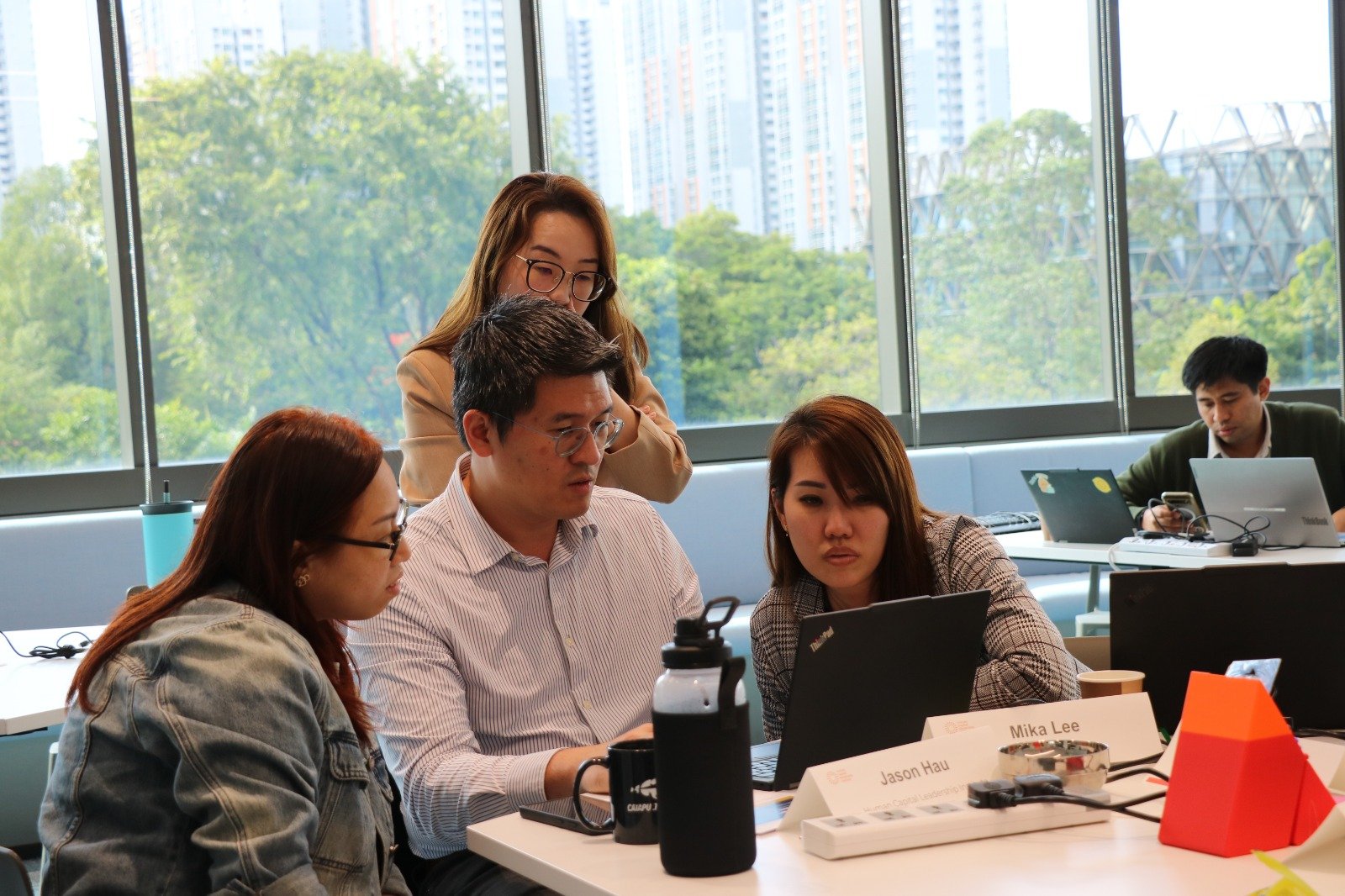
The thing about senior leaders is that they are, by necessity, very good at processing information. They read. They get briefed. They have smart people around them filtering signal from noise. So by the time a trend reaches them, they've usually already formed a view on it. Automation? Yes, aware of it. AI in financial services? Across it. The challenge isn't access to information. It's getting underneath the view they've already formed.
That's what a well-chosen company visit does. It gets underneath.
Later in the same Beijing module, we were at Tencent, where a senior executive from WeBank walked us through how they use AI to approve loans. Not in days. Not overnight. In seconds. The reason they can do it is because everything, your spending, your social interactions, your entire digital life, lives within the WeChat ecosystem. The AI isn't asking questions. It already has the answers.
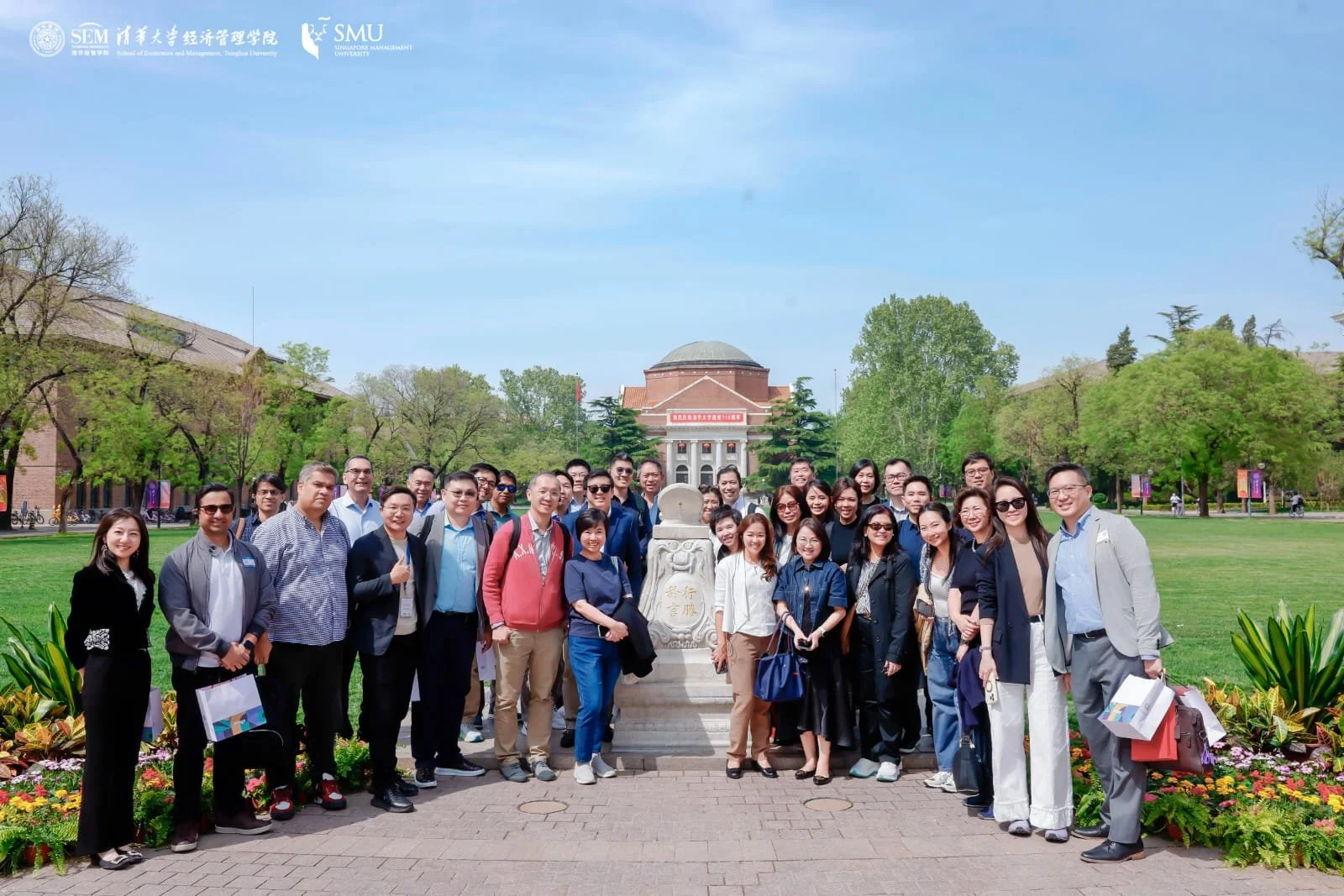
Now, the privacy implications of that are genuinely alarming if you think about it too hard, and several people in the room did. But here's what was interesting. Rather than shutting the conversation down, that discomfort opened it up. Participants who'd never seriously questioned their own organisation's data strategy were suddenly very animated about it.
Someone from a financial institution started asking whether their entire credit assessment process was built on assumptions that no longer hold. That's not a conversation that gets triggered by a case study. That gets triggered by sitting across from someone who's already living in the version of the future you're still debating in committee.
And that's the other thing about cross-industry visits specifically. There's something about seeing a company from a completely different sector doing something that challenges your own assumptions that removes the defensive instinct. You're not being told your competitor is ahead of you. You're just watching someone else solve a problem you didn't realise you shared. The ego stays out of the room.
The conversations that tend to matter most don't happen during the visit itself. They happen at lunch afterwards, when the group is still processing what they saw, each person filtering the same experience through a completely different professional lens.
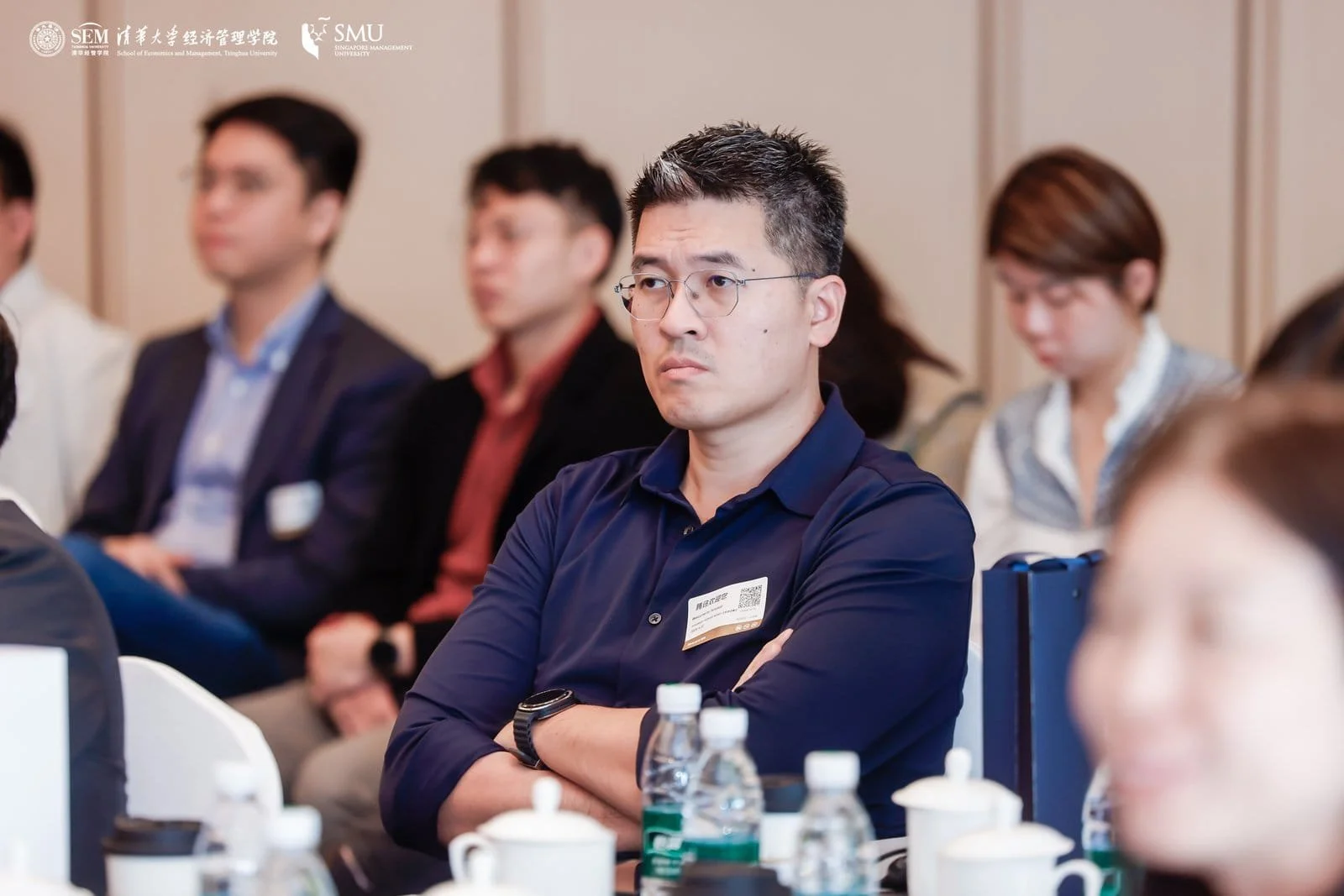
Someone from logistics is asking someone from healthcare what they made of the same demo. A government official and a private equity partner are disagreeing about whether what they just saw is scalable. That unstructured, cross-pollinating, slightly chaotic debrief is often where the real insight gets made. You can't schedule it. You can only create the conditions for it.
What I've noticed is that the visits which land hardest are rarely the ones that confirm what people already believed. They're the ones that introduce a productive doubt. The ones where a leader walks out thinking "I need to go back and ask some uncomfortable questions about how we do things." That's not a comfortable outcome. But it tends to be a useful one.
Sometimes, the most valuable thing a learning journey can produce isn't a new answer. It's a better question that you hadn't thought to ask before you got on the plane.
Jason Hau
Director, Strategic & Corporate Partnerships
Human Capital Leadership Institute (HCLI)